
The places where we work really shape how we feel, think, and perform. Businesses are increasingly recognising how important employee well-being is, so the focus is shifting from just policies and perks to the buildings themselves. Good design isn’t just about looking nice; it’s a powerful way to create a supportive, healthy, and productive environment.
By considering how our physical surroundings affect our minds and emotions, employers can build workplaces that genuinely help their teams feel good, much like permeable pavers help create sustainable urban environments. This means going beyond just giving someone a desk and a chair and instead building a place where people can truly thrive.
The Link Between Environment and Mood
We all know our surroundings can influence our mood. A messy, dark, or noisy space can make us stressed and unable to focus, while a bright, organised, and calm environment does the opposite. How a workplace is designed tells employees a lot about how much they’re valued. Things like lighting, colours, air quality, and acoustics all come together to shape what it’s like to work there every day. Research consistently shows that workplaces that support lasting wellbeing have more engaged employees and take fewer sick days. Even simple changes, like letting in more natural light or providing ergonomic furniture, can make a big difference to someone’s comfort and overall sense of well-being.
Designing for Different Needs
Designing an office with a “one-size-fits-all” approach rarely works. People have different personalities, work styles, and sensory needs. An open-plan office that encourages teamwork for one person might be a constant distraction for another. Truly inclusive design recognises this variety and offers different kinds of spaces to suit various tasks and temperaments. This could mean:
- Quiet zones for focused, individual work.
- Collaborative areas with whiteboards and flexible seating for team projects.
- Comfortable breakout spaces for informal chats and relaxation.
- Private booths for phone calls or virtual meetings.
By integrating mental health and wellness into the physical space, companies can let employees choose the setting that best supports their needs at any given moment. This boosts their independence and reduces stress.
Embracing Nature in the Workplace
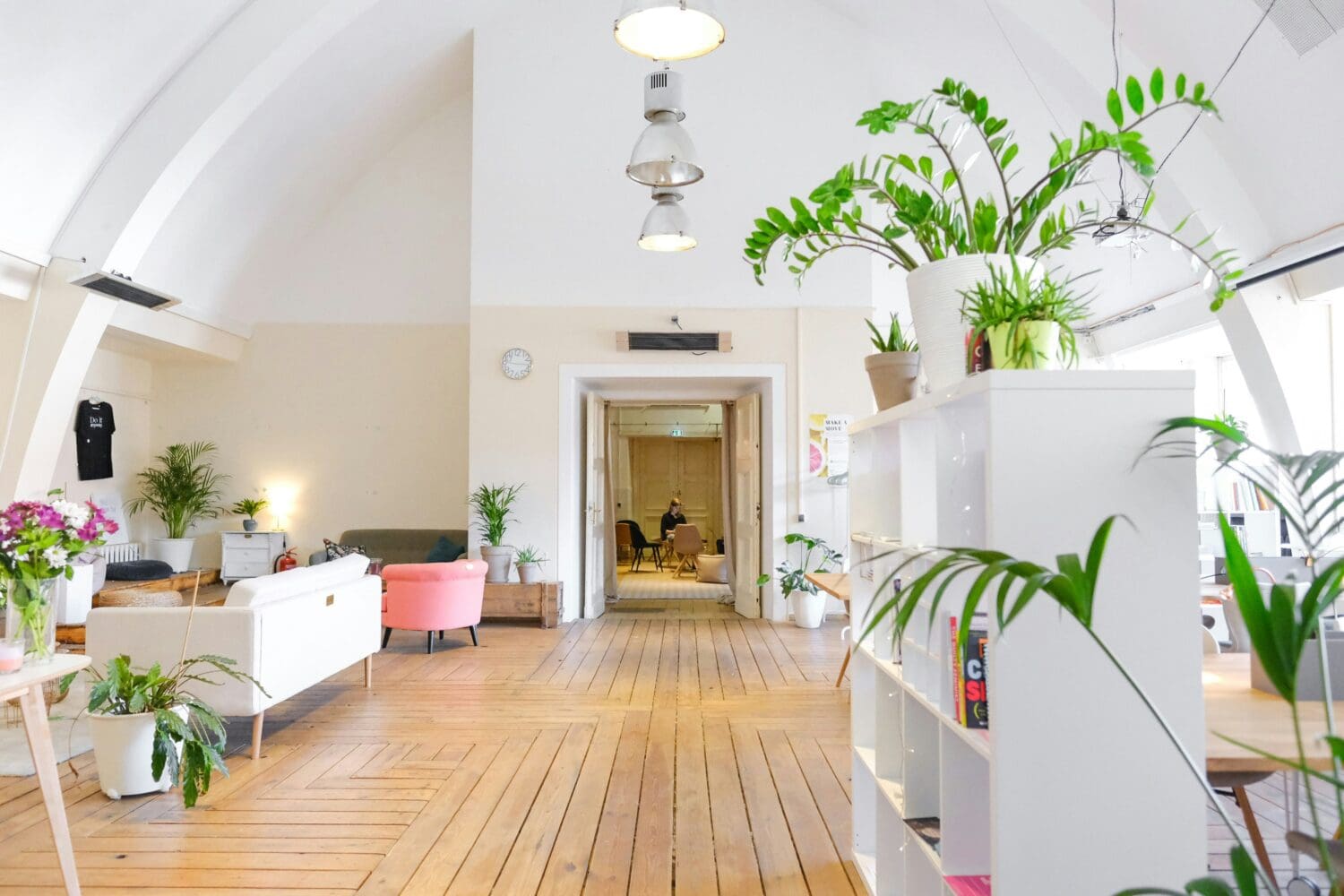
Biophilic design, which connects people with nature inside buildings, is gaining traction for good reason. Humans naturally want to connect with nature, and bringing natural elements indoors can be really restorative. You can do this in many ways, from adding indoor plants and living walls to using natural materials like wood and stone in furniture and decor. Even having windows with views of green outdoor spaces has been shown to reduce stress and improve concentration. Embracing nature helps to soften the corporate environment, making it feel more human and welcoming.
Creating Inviting Outdoor Spaces
The benefits of nature shouldn’t stop at the office door. Providing accessible and inviting outdoor spaces gives employees a place to step away from their screens, get fresh air, and recharge during the day. A short walk or just sitting in a green space can spark creativity and improve mental clarity. To make these areas truly useful, practical considerations are key. A muddy lawn or a patio full of puddles isn’t appealing. This creates a durable, low-maintenance surface that lets rainwater drain naturally, preventing waterlogging and supporting the local ecosystem. It’s a practical foundation for creating a truly valuable workplace amenity.
Long-Term Investment in People
Seeing thoughtful workplace design as just an expense is short-sighted. In reality, it’s a long-term investment in your most valuable asset: your people. A workplace that prioritises wellbeing can lead to better employee retention, fewer sick days, and higher productivity and innovation. It helps build a positive company culture where employees feel cared for and respected. These real business benefits come from creating a physical space that allows people to do their best work without compromising their health. It shows a genuine commitment to employee well-being that goes far beyond words.
Ultimately, designing for wellbeing means creating an environment that supports and empowers people. When employees feel good in their workspace, they’re more likely to feel good about their work and the organisation they’re a part of.