
How to be Flexible in Business
The concept of business flexibility is a buzzworthy idea that has reached the far corners of the online business world. However, flexibility in business is better than rigidity, stagnation, and getting left behind. If you are wondering how you can incorporate the concept of flexibility into your daily workplace functions, please continue reading.
Offer Flexible Payment Options
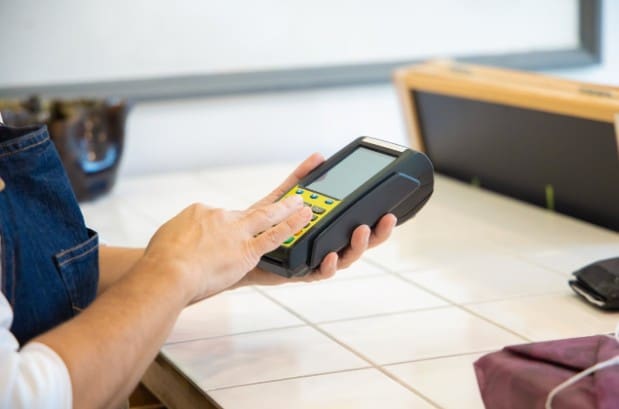
Your customers are busy, and they want the minor details of a sales transaction to go smoothly and quickly. If you own a restaurant, for example, bringing a mobile credit card processing terminal to your patrons’ table will make the process easier and prevent your servers from making unnecessary trips back and forth within the restaurant to process a credit card payment and return a few minutes later for a signature. With this solution, no one has to wait; the restaurant aisles are less cluttered, and the staff can clear the table quickly for the next group of diners. But most importantly, your customers do not have to wait at the table for the bill, only to walk to the front of the restaurant and wait once again just to pay.
Or, if you bring your products to a local fair or vendor collective, you naturally want to be able to accept credit card payments, not just cash, to make the buying public’s experience seamless. Having a Wi-Fi-enabled credit card processing terminal on site will improve the experience for everyone.
Offer Flexible Work Options for Your Employees
Ever since the pandemic occurred, and even a little bit before that, there have been three main work options for people to choose from. Of course, some positions in the healthcare or manufacturing sectors, for example, must be in-person only, but jobs in other fields offer options.
If your business can allow some or all of your employees to work flexibly, you should seriously consider it. In-person work allows people to come together for face-to-face collaboration and is sometimes better for making connections and advancing individual workers’ career trajectories. Remote work offers the greatest flexibility for your employees, enabling them to better manage the time between their professional and personal lives. And a hybrid model of work that encompasses both in-person and remote work gives workers the space to manage their lives while working in the office on fewer, but predetermined days, for the makings of a cohesive team.
Empower Your Employees Through Trust
Trust might not equate to flexibility, but make no mistake, when there is a culture of trust in your workplace, flexibility is a viable option. Giving the people you have hired to work for you, with you, and to represent you a sense of autonomy and support enhances their ability to take risks that can benefit your business as a whole.
When people feel they can try new things at work and innovate to streamline their workflows, they will take those steps rather than feel stuck and stagnant in their positions.
Another way to empower your employees is to provide them with continuing education and training. If your employees feel that you value them enough to invest in an MBA for those in your C-Suite, or further leadership certifications for your employees who want to move into greater responsibility in supervisory fields. These efforts on your part generally lead to higher job satisfaction, considerably less employee turnover, and a more successful company.
Leverage New Technology
Being a Luddite in business is not a good thing. To remain relevant and competitive with your peers, you need to stay current with emerging technologies. Not only will this keep you on the cutting edge of what is happening in the real world, but it will also help you improve operations and thus become more flexible.
New technology, such as artificial intelligence, has the ability to help your company and your team adapt to change as well as save time in the workplace. To illustrate, if you adopt AI to assist your team in providing customer service at the lowest levels, they will have more time to focus on the more complex customer service issues. In addition, they will also have greater flexibility to fill their extra time savings in new and innovative ways to improve the business overall.
Adopt a Flexible Approach to Management
A less often considered way to maintain flexibility in the workplace is to adopt a flexible management style for your team. This can be a top-down approach or a one-off that applies only to your leadership approach. The key takeaway of this method of management is that you, as the leader, may have one style of leadership; however, each of your team members might have different styles amongst themselves.
These variances can lead to conflict, mixed messages, and misunderstandings, not to mention work not being completed as it should be. With this in mind, it will be helpful to take time to get to know your team members, especially the ones who report directly to you. Pay attention to how they receive information and learn on the job, and try to tailor your approach to each person to help them work to their full potential.
Watch this video for insight from one thought leader on how to create change, especially when there is resistance. This can be applied to how you craft your leadership style to meet your employees where they are at and help connect with and motivate them.

Being a flexible leader in business means a lot of different things depending on where your business is and what your plans for the future entail. The key is to think outside of the proverbial box and find new ways to do business. Provide your customers with easy and seamless payment transactions that meet them where they are at so they can pay without any extra hassles or steps involved. Pay attention to different options for work and engage with your team differently based on their unique learning styles. When you offer flexibility, good things happen.