

When you scale an international team quickly, you run into more than just time‑zone headaches. Research shows that the majority of HR leaders say managing a global workforce slows down expansion, and 71% rank HR issues as the top barrier to going global. That means even high‑growth companies hit the brakes when international complexity increases. Your challenge isn’t hiring talent — it’s making that talent work well together across borders.
To solve this, you need an approach that goes beyond quick fixes. For example, looking into the U.S. workforce alone, over 36 million people work remotely and/or at least part‑time. That trend brings both opportunity and strain: diverse teams drive creativity, but they also need shared routines, communication clarity, and cultural awareness to really function.
In this guide, you’ll learn seven practical strategies, from aligning approaches to building local leadership and trust, that help you navigate growth without sacrificing cohesion or speed.
Why Fast Scaling Your Workforce is a Double-Edged Sword?
Unsurprisingly, rapid hiring often leads to a domino effect of offboarding processes. In fact, U.S. companies saw an average annual separation rate (from resignations and terminations) of almost half the workforce in recent years.
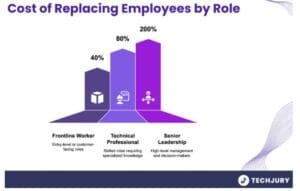
Replacing staff isn’t cheap: onboarding a new hire can cost up to three times their annual salary. That means every batch of fast hires increases both churn risk and cost.
When teams expand globally, skill gaps become more pronounced. As more capable team members join, segments of the “basic” team may start feeling discouraged (often without an actual reason. Studies show that when a company expands aggressively, a significant number of employees report feeling underqualified for their roles. Of course, this may be due to growth outpacing training.
In other words, if you don’t have a clear plan for training and development, you’ll end up hiring faster than your team can actually work well together.
Growth pressures also lead to burnout and a drop in quality. In software teams, for instance, compressing timelines may temporarily increase output, but it often leads to defects and lowers long‑term productivity.
And in industries like healthcare and manufacturing, staff turnover increases training burdens and disrupts operations. In a fast‑growing international setting, these issues compound: you stretch your onboarding, training, and support thinner — right when your team needs sustained support the most.
1. Make Sure You Attract Top-Quality Remote Employees
When you hire remotely nowadays, you really have to stand out, given that remote work is the norm, not a bonus. Industry analyses say that by the end of 2025, more than half of America’s workforce (including contractors) will be in hybrid setups. That means if your offer doesn’t include flexibility, you’ll miss nearly a quarter of the labour market.
A plethora of industry trends showcase that flexibility has become a condition sine qua non across all niches. About 80% of employees say they’d choose a flexible job over one without it.
Plus, an equal percentage states that greater flexibility would make them more loyal to the company. And it goes deeper: the majority of remote workers say they’re most productive at home and also report better mental health when working remotely.

But flexibility alone won’t seal the deal – you need quality recruitment and a strong employer brand. Companies with solid employer brands attract far more qualified candidates and reduce cost‑per‑hire by almost half.
And since three-quarters of job seekers research your brand before applying, make sure your online presence and hiring process reflect the remote-friendly environment you’re promising.
To really stand out, make every step of your hiring process feel both purposeful and human. More than half of all job seekers have turned down offers due to poor candidate experience, and an equal number abandon applications mid-process if they drag on or get confusing.
That said, referrals bring in people who stay for up to three times as long. That means a polished, transparent hiring journey, and tapping your existing team for referrals can make a big impact fast.
2. Optimise Your Remote Onboarding Processes
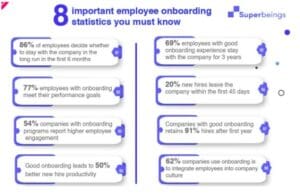
A strong onboarding process pays dividends fast. Companies that standardise onboarding see higher new-hire productivity, and two-thirds of employees who experience it stay for 3 years or more.
Yet, only a small chunk of workers feel their organisation does onboarding well, which means you can leap ahead simply by setting clear goals, milestones, and check-ins during the first 90 days.
Remote onboarding needs digital focus and human attention. Virtual programs grew 87 percent from 2023 to 2025, and 96 percent of remote hires say clear communications tools are essential. That means before day one, send equipment, schedule a video intro with teammates, and share a digital handbook, so your new hire feels supported, not stranded.
Onboarding international employees gets easier with an Employer of Record (EOR). EOR providers like Deel (or alternatives) handle payroll, compliance, benefits, and contracts. On your end, you will simply control daily work without wasting brainpower untangling legal knots. That structure removes red tape, speeds hiring, and guarantees you onboard talent quickly and legally across borders.
3. Ensure Compliance and Risk Management in International Hiring
Operating across borders means navigating complex laws, and getting it wrong can cost you. In 2023, a significant number of multinational firms reported facing legal disputes over international employment, with fines and reputational damage following.
That risk increases when you hire in new markets like India, where labour laws vary by state and non-compliance with the Shops and Establishments Acts can trigger serious penalties.
Managing payroll, taxes, benefits, and legal contracts becomes a headache as you expand. India’s minimum wage regulations cover nearly 2,000 job categories across more than 400 employment types, and PF/ESI contributions alone require meticulous handling. Missing a detail, like the mandatory 15-day bonus or correct overtime, can expose you to audits and retroactive penalties.
Again, that’s where an Employer of Record makes things much simpler. Say you’re hiring in India. An EOR becomes the legal employer, managing contracts, payroll, tax withholding, benefits contributions, and state-level compliance, saving you from months of setup delays and significantly reducing audit risks.
4. Streamlining Cross-Border Payroll
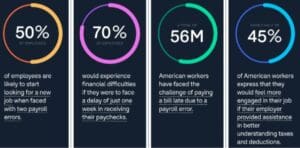
Handling payroll for global teams is a minefield – mistakes cost real money. Research shows that companies experience payroll errors more frequently each year, and fixing one mistake can cost around $291. Multiply that across dozens of employees and countries, and you risk fines or erosion of trust.
Outsourcing payroll cuts costs and boosts accuracy. Market analyses have shown that firms that outsource reduce administrative expenses by half, while also speeding up processing and improving compliance. In addition, mistakes fall by 30%, and HR teams reclaim roughly 15–20 hours a month.
That said, it is important to note that handling payroll, tax withholding, currency conversions, and local deductions is a core part of EOR services. With EOR support, you pay in local currency on a single invoice while staying compliant in every country. That model gives you time back, cuts error risk, and avoids dealing with fragmented systems as you grow internationally.
5. Make Communication a Top Priority
When messages get unclear, costs add up fast. According to Grammarly, companies with 500 employees lose about $6.25 million each year due to miscommunication, and employees waste nearly 20 hours per week on written communication alone. In international teams, this scales up immediately: unclear instructions across time zones mean repeated questions, delays, and frustration.
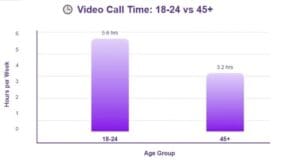
What makes this even more alarming is that remote meetings don’t automatically solve this: on the contrary, they can cause burnout and inefficiency. In Britain, for instance, over half of professionals say video calls interrupt their day, with a quarter of employees attending five or more virtual meetings per day.
That overload fragments and even shatters focus: people multitask or zone out. The takeaway? Your team needs intentional communication routines—not merely more tools.
To fix this, build clear communication habits. For example, teams using dedicated platforms see a hefty boost in productivity and a significant reduction in miscommunication. Encourage regular check-ins, set response expectations (e.g. “reply within 24 h”), and hold weekly video syncs for nuanced topics. With structure, you restore clarity and reduce friction, even when managing an international team.
6. Promote Inclusive Remote Work Practices
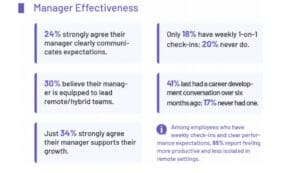
When people feel they belong, performance spikes – and this is all the more true regarding remote work. Yet, less than one-fifth of remote employees say they feel included in key decisions, while nearly half highlight poor cross‑team collaboration as a recurring issue. That gap hurts morale and costs time, trust, and innovation.
Remote work can open doors to diverse talent, but only if practices are inclusive by design. Remote roles have driven a noticeable drop in hiring barriers for diverse candidates in the last three years.
Josie from Remployee has seen this firsthand: “Remote work has democratized talent access in ways we couldn’t imagine five years ago – we’re seeing brilliant people contribute from places and situations that traditional office setups would have excluded entirely.”
And for people with disabilities, most of them prefer roles offering hybrid or remote options; it’s not simply about flexibility — it’s accessibility.
Even with talent in place, inclusion takes structure. Industry-wide comparisons have found that inclusive teams outperform peers and make better decisions almost all of the time, although only when inclusion is actionable.
To make this real, schedule regular peer recognition moments, encourage equal voice in meetings (by setting clear speaking rules), and train managers to spot signs of isolation, especially among remote members who often miss informal cues.
7. Pay Attention to Company Culture and Values
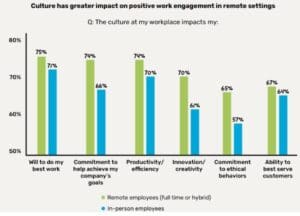
When your team grows fast and is spread out, culture can slip without clear signals. Remote and hybrid employees are far more likely than in-office staff to say their culture is stronger than at other organisations. That shows culture isn’t weaker when distant – it just needs active upkeep.
On the other side of the coin, weak culture hits retention hard. Employees who feel disrespected are more likely to quit, and those unhappy with the culture are even more likely to leave. Additionally, one-fifth of staff are likely to leave within the first 45 days if the company’s values don’t resonate or aren’t visible early on.
Therefore, making values visible in everyday work is a noteworthy endeavour. Teams that track culture through surveys, recognition, and virtual events cut turnover by about 20% and boost productivity by linking culture to routines such as retros, peer shout-outs, and shared goals.
When you weave values into daily rituals— like celebrating wins, holding regular town halls, or closing each sprint with a quick reflection—you reinforce what matters and help new hires feel part of the team.
Wrap Up
Scaling international teams should never be done “by the book”. It’s about building systems that keep people aligned as your headcount grows. From payroll and compliance to onboarding and daily communication, every moving part must serve a clear structure. And when things get hectic, the fundamentals matter most: consistent culture, real inclusion, and shared routines across time zones.
You don’t need to do all of it at once, but you do need to do it deliberately. Start with the areas creating the most friction—maybe it’s compliance issues, maybe unclear processes, maybe uneven pay cycles—and build from there.