Women At Work Survey Results
The Reality of Working Life for Women at Work Today
100s of Women
100s of Voices
100s of Stories
Hundreds of women shared their experiences.
The results are powerful.

Have You Taken a Career Break?
Whether you’ve already returned to work or are planning your next step, we’d love to hear about your experience.
Complete our short survey and help us create better support for returners.
Hundreds of women shared their experiences.
The results are powerful.
At Investing in Women, we set out to understand what working life really looks like for women across the UK today.
Not the policies on paper.
Not the headlines.
The reality.
This International Women’s Day, thousands of women shared their experiences in our Women at Work Survey.
What’s working, what isn’t, and where the biggest gaps still exist between expectation and reality.
⭐ Their current working patterns and employment status
⭐ How valued and supported they feel at work
⭐ Workload, stress, and wellbeing
⭐ Access to flexibility — and what’s missing
⭐ Barriers to returning to work
⭐ What needs to change for work to truly work
From those building careers…
to those balancing work and caregiving…
to those currently out of the workforce entirely.


Flexible work still exists more in theory than in practice.
Across the responses, common themes are emerging:
⭐ Flexibility is still limited or informal
⭐ Workload and stress remain high
⭐ Many women don’t feel fully valued or supported
⭐ Opportunities for progression are often unclear
⭐ Returning to work remains a challenge for many
And perhaps most importantly…
Too many women feel they have to compromise on their careers, their incomes, or their family lives.
Flexible work still exists more in theory than in practice.
Across the responses, common themes are emerging:
⭐ Flexibility is still limited or informal
⭐ Workload and stress remain high
⭐ Many women don’t feel fully valued or supported
⭐ Opportunities for progression are often unclear
⭐ Returning to work remains a challenge for many
And perhaps most importantly…
Too many women feel they have to compromise on their careers, their incomes, or their family lives.
It’s about how workplaces are designed.
Because when work doesn’t fit around life, women are forced to:
Step back
Step out
Or settle for less
And businesses lose out on incredible talent as a result.
For many women, work starts long before logging on
and continues long after logging off.
Work is only one part of what they manage every day.


Women still want progression, challenge and well-paid roles.
Reduced hours does not mean reduced capability.
Women still want progression, challenge and well-paid roles.
Reduced hours does not mean reduced capability.
It’s the difference between being able to work
and being forced to step back.
Flexible working keeps talent in the workforce.
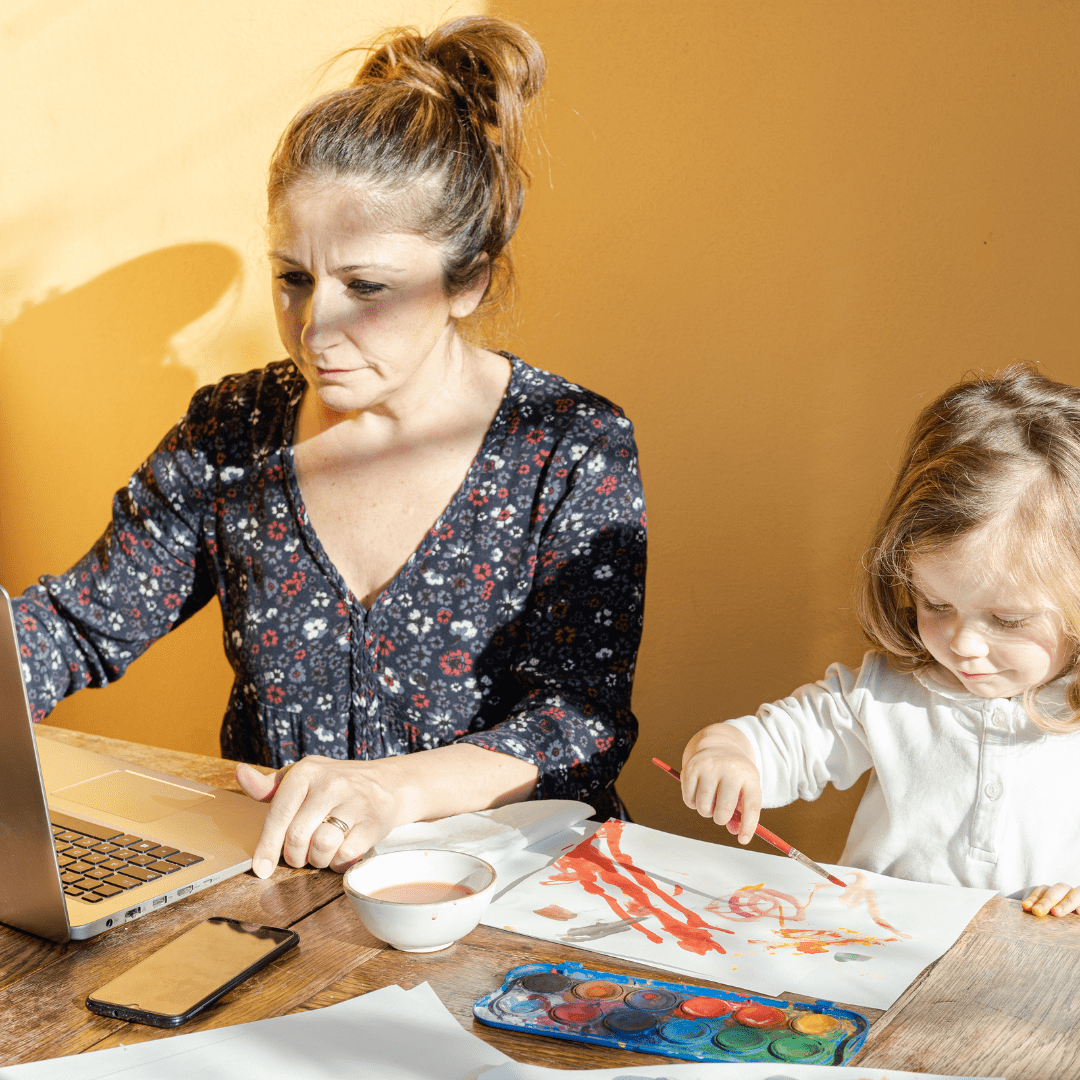
Many women are the default carers — not just for children
But for elderly parents and family members, too.
Workplaces rarely account for this reality.
Many women are the default carers — not just for children
But for elderly parents and family members, too.
Workplaces rarely account for this reality.
Trust. Flexibility. Fair opportunities.
When employers get this right, everyone benefits.

Flexibility Is Essential (Not a Perk) 85–90%
The Mental Load & Invisible Labour 80–85%
Caring Responsibilities (Children + Elderly + SEND) 75–85%
Menopause, Hormones & Women’s Health 40–60%
Ambition & Capability Are Not Reduced 70–75%
Systemic Design Problems (9–5 Model & Presenteeism) 60–70%
Equity, Value & Recognition 50–65%
Intersectional & Diverse Experiences 30–45%
A real challenge.
A real frustration.
A real ambition.
And together, they tell a powerful story.