
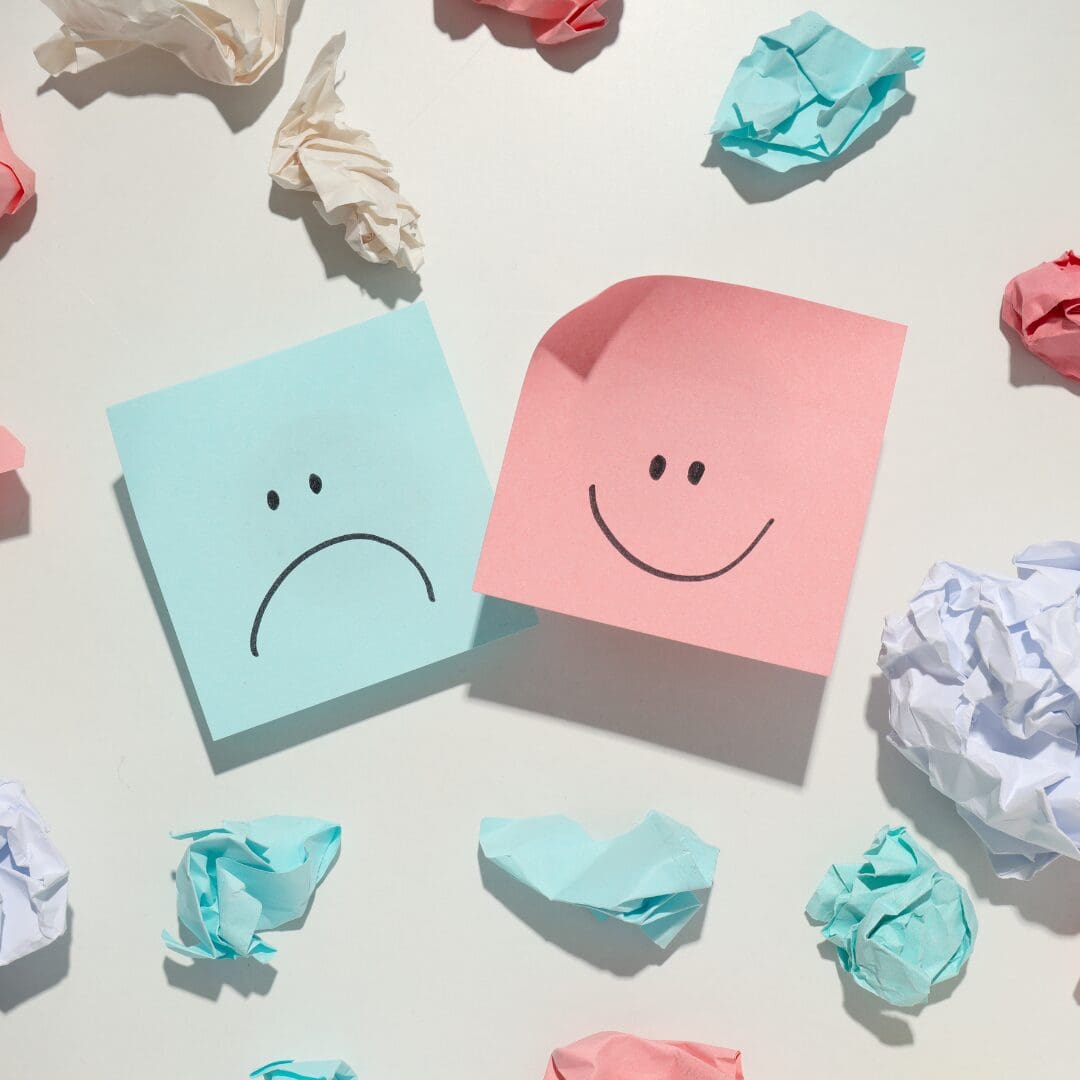
Reducing Mental Load: Practical Strategies for Busy Professional Women
Women in the modern world often find themselves juggling many responsibilities at once. You might one moment be having to schedule meetings, or trawl through an inbox, before, in the next moment, you’re picking the kids up from school. It often seems you can never find a spare moment to reclaim for your own purposes. The mental load that all of these responsibilities place on you can often seem quite burdensome.
So, what’s the best way to deal with this problem? The simple answer is that there are lots of strategies for doing so, and that, in many cases, a combination of some of them (or even all of them) might be effective.
Prioritising Tasks and Delegation
Time is a finite resource. If you attempt to do everything yourself, then you might end up feeling exhausted – and the results you see might not be worthwhile. Make a list of your true priorities: what use of your time is going to produce the greatest value in any given moment? By being explicit about your goals and objectives, you might achieve a better balance between your work and home life – and you might understand where it makes sense to delegate, and to automate.
Using Technology to Stay Organised
Sometimes it makes sense to use modern technology to reduce your cognitive burden. If you have access to the right digital diary and calendar app, then you won’t need to remember all of your appointments — you’ll need to check what your schedule looks like on any given day.
Real Disconnecting
One major problem with modern working life is that we’re accessible from anywhere. That means there will always be the temptation to check Slack or answer emails while you’re supposed to be relaxing. Make sure you establish boundaries and protect your free time. This applies to your evenings, as well as your weekends and holidays. When you’ve booked time off for ski weekends, you should make a point of being unreachable.
Incorporating Self-Care Routines
There are several practices you might start with to bolster your mental health and wellbeing actively, rather than simpnd it. You can find an exercise you enjoy, and make a point of doing it regularly. If you can find several different forms of exercise, then the results you enjoy might be tharessive, and the likelihood of your suffering an injury might be reduced. At the same time, less intensive mental practices like mindfulness might also be worth exploring