
How Payroll Accuracy Supports Employee Trust
Pay is one of the few workplace issues that touches every single employee, every single month. Get it right consistently and it barely registers as a topic of conversation. However, get it wrong, even once, and it becomes the thing people remember long after the mistake is fixed. For employers building flexible and family-friendly teams, where hours and pay structures often vary from person to person, accuracy carries even more weight.
Trust between an employer and their staff is built in small, repeated moments rather than grand gestures. Payroll, handled well, is one of the quieter ways that trust gets reinforced month after month.
Accurate Pay Reduces Financial Stress And Builds Confidence
Employees plan their lives around what lands in their accounts and when. A missed or incorrect payment doesn’t just cause inconvenience; it can disrupt rent payments, childcare costs or other fixed outgoings that don’t wait for a correction to be processed.
Part-time and flexible staff often feel this more acutely, since their income may already vary week to week depending on hours worked. Getting the pay right first time, every time, removes one significant source of uncertainty from their working life and signals that the employer takes their financial well-being seriously.
Fewer Manual Errors Mean Fewer Awkward Conversations
Nobody enjoys the conversation that follows a payroll mistake, whether that’s an employee querying a shortfall or a manager explaining why a correction will take another cycle to process. These exchanges chip away at confidence even when resolved quickly and apologetically.
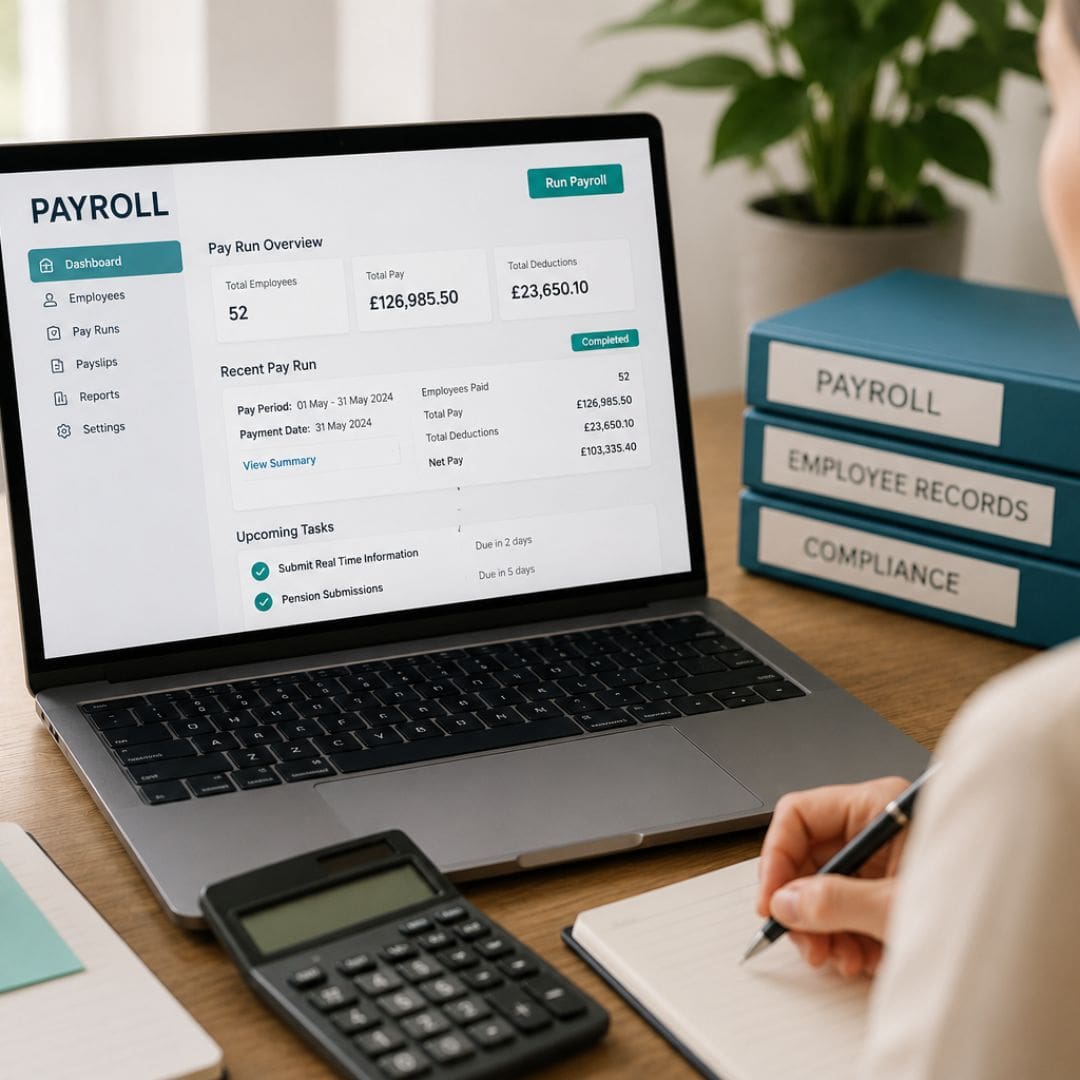
Many of these errors stem from manual data entry, whether that’s rekeying hours across systems or applying tax codes by hand. Moving to in-house payroll software from Ciphr removes much of that manual handling, since employee data flows automatically and calculations are performed without anyone needing to check every line item by hand. Fewer manual touchpoints generally means fewer opportunities for something to go wrong in the first place.
Consistency Across Pay Cycles Reinforces Reliability
Employees notice patterns. And so, if pay consistently arrives on time and matches expectations, that reliability quietly reinforces confidence in the wider employment relationship, not just the payroll process itself.
Achieving that consistency usually comes down to having a system that applies the same rules every time, rather than depending on individual memory or a spreadsheet that gets updated slightly differently each month. Reliable payroll software removes that variability, so payday becomes something employees can genuinely rely on rather than something they hold their breath for.
Automation Closes The Gaps That Cause Mistrust
Small gaps in a manual process, a missed update, an outdated tax code, a pension contribution calculated incorrectly, tend to be where mistrust creeps in. Individually, these might seem minor, but they add up over time, and employees do notice.
Automated systems close these gaps by applying legislative changes and calculations consistently, without relying on someone to manually update a rule. Employers researching UK payroll software options should look specifically for platforms that handle compliance updates automatically, since that single feature prevents a large proportion of the errors that undermine employee confidence.
Transparent Processes Support Flexible And Part-Time Staff
Variable hours, multiple contract types and pro-rata pay all add genuine complexity to payroll, and that complexity is exactly where errors are most likely to appear. Employers offering flexible working need systems that can handle it without extra manual workarounds.
Choosing software built specifically for varied pay structures, rather than adapting a basic system to cope, makes it far easier to maintain accuracy. This matters particularly for organisations positioning themselves as flexible or family-friendly employers, since payroll complexity often increases alongside the flexibility being offered to staff.
Self-Service Access Gives Employees Ownership Over Their Pay
Employees who can view their own payslips, tax documents and pay history without needing to ask HR tend to feel more in control of their own information. That sense of ownership contributes meaningfully to trust, since nothing feels hidden or dependent on someone else’s availability.
Self-service portals also reduce the number of routine queries landing on HR or payroll teams, freeing up time that would otherwise be spent answering the same questions repeatedly. Given a choice, most employees would rather check a portal instantly than wait for an email reply.
Building Trust Starts with Getting Pay Right
Payroll accuracy does not get celebrated when it’s working well, which is exactly why it matters so much. Employees rarely thank an employer for a correct payslip, but they remember every time it goes wrong.
Reviewing current payroll processes with this in mind, particularly around flexible and part-time pay structures, is a sensible starting point for any employer serious about building genuine trust with their team. Getting the basics right consistently often does more for employee confidence than any policy document ever could.