
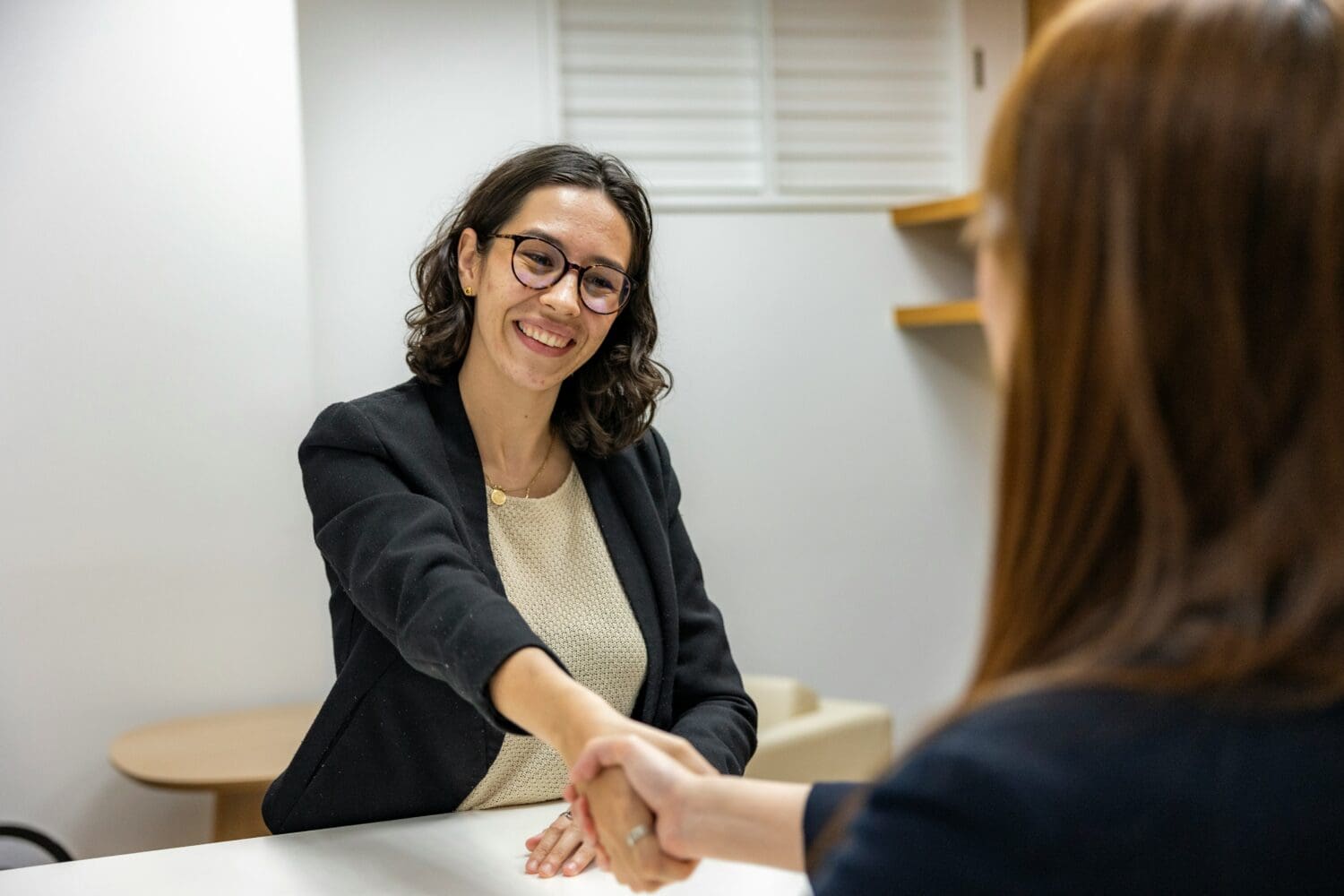
A successful job interview involves more than just a great CV. The impression you make in person, or even on screen, comes from your appearance, body language, and the confidence you project. Getting these elements right is just as important as practising your answers. This guide will help you prepare so you look and feel your best, letting your skills and qualifications truly stand out.
Mastering Interview Attire Choices
The old saying “dress for the job you want” still holds true, but it needs a bit of thought. Your aim is to look polished and professional, like you already belong at that company. Start by looking into the organisation. A creative agency will have a different dress code than a corporate law firm. If you’re unsure, it’s always better to be slightly overdressed than underdressed.
For corporate settings, traditional business attire is the safest bet. This usually means a well-fitting suit in a neutral colour like navy, grey, or black, paired with a smart shirt or blouse. For less formal places, “business casual” often works. This could be tailored trousers or a skirt with a blazer, a smart jumper, or a dress. No matter the dress code, make sure your clothes are clean, ironed, and fit you well. What you wear is the first sign of your professionalism. Together, your appearance and body language create a full picture for the interviewer.
Body Language for Positive Impact
Often, what you don’t say speaks louder than your words. From the moment you arrive, pay attention to your posture. Sit and stand tall, with your shoulders back, to project confidence. When you meet the interviewer, make good eye contact and offer a warm, genuine smile. A weak or hesitant greeting can suggest you lack conviction.
Throughout the conversation, keep eye contact, but don’t stare. This shows you’re listening and interested. Try not to fidget with your hands, hair, or a pen, as this can be distracting and signal nervousness. Instead, rest your hands in your lap or use them for natural gestures when you speak. Getting these small things right can really change how people see you. For more advice, it helps to understand the key tips for interview body language that recruiters notice.
Projecting Confidence and Professionalism
Real confidence comes from being thoroughly prepared. This means knowing your CV inside out, researching the company, and having thoughtful questions ready. But your professional image starts long before you walk into the interview room. Recruiters will almost certainly check your online profiles, especially on LinkedIn, so it’s important to maintain a polished, professional online presence. This sets a positive tone from the start. Having a high-quality headshot from a specialist like Shot By Andrew on your profile establishes a professional standard before you’ve even met anyone. This small investment shows you take your career seriously. During the interview, speak clearly and at a steady pace. It’s fine to pause for a moment to gather your thoughts before answering a complex question; this shows you’re thoughtful, not weak.
Preparing for Online Interviews
Video interviews are now common and need their own specific preparation. It’s wise to review the virtual interview dos and don’ts before you face the camera, so you’re ready for a virtual graduate interview. First, test your technology. Make sure your camera, microphone, and internet connection are all working perfectly well in advance. Choose a quiet spot where you won’t be interrupted and ensure your background is neat and professional. A plain wall or a tidy bookshelf is much better than a cluttered room.
Pay attention to your lighting. Sit so that a light source, like a window or a lamp, is in front of you, not behind you. This makes sure your face is clearly visible. During the call, look at the camera, not just at the interviewer’s face on the screen. This mimics direct eye contact and helps build a connection. Remember to dress just as you would for an in-person interview to get into a professional mindset.
Post-Interview Follow-Up Strategies
The interview isn’t truly over when you leave. A timely and professional follow-up is a crucial final step. Sending a thank-you email within 24 hours of the interview is standard practice. This is your chance to confirm your interest in the role and thank the interviewers for their time.
Your message should be short and personal. Mention a specific point you discussed to make it more memorable and show you were engaged. For example, you could talk about your enthusiasm for a particular project they described. This isn’t the time to ask about salary or benefits unless it was already brought up. Keep it professional, proofread it carefully for any typos, and send it to each person who interviewed you. This simple courtesy can help you stand out from other candidates.
By focusing on your presentation, from your clothes to your follow-up email, you build a strong professional framework. This preparation helps you relax during the interview, allowing your true personality, skills, and enthusiasm for the role to shine through.