
Balancing Remote Work And Meaningful Education For The Next Generation
The rise of remote work has transformed how families approach daily life. Parents now have greater flexibility to spend time with their children, adjust schedules around important family moments, and become more involved in education. While working from home brings its own challenges, it also creates opportunities to shape a learning environment that supports curiosity, independence, and lifelong growth.
Many parents once felt they had to separate work and family into completely different worlds. Today, flexible work arrangements make it possible to blend professional responsibilities with meaningful educational experiences. With thoughtful planning, families can create routines that allow both careers and children’s development to thrive.
The New Flexibility Families Have Been Waiting For
Remote work gives parents more control over their schedules than traditional office jobs. Instead of spending hours commuting, that time can be redirected toward reading together, exploring educational activities, or simply having meaningful conversations throughout the day.
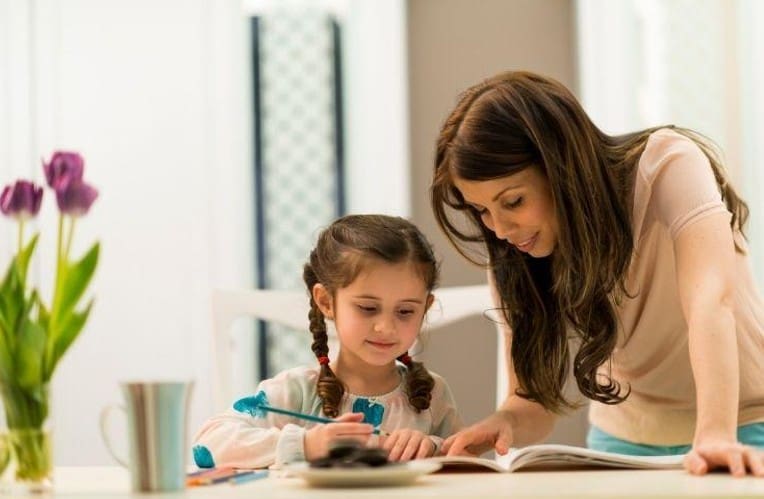
This flexibility also allows parents to respond to their children’s learning needs more naturally. Whether helping with a difficult subject, encouraging creative projects, or supporting independent study, being physically present makes these moments easier to embrace without sacrificing professional goals.
Making Learning Part Of Everyday Life
Education does not have to begin and end with formal lessons. Some of the most valuable learning experiences happen during everyday activities that encourage observation, problem-solving, and communication.
Cooking teaches measurement and fractions. Gardening introduces science and responsibility. Grocery shopping becomes a lesson in budgeting and decision-making. Even planning a family trip helps children practice research, organisation, and critical thinking through real-world experiences.
When learning becomes part of daily routines, children begin seeing education as something that extends beyond textbooks and classrooms.
Creating Healthy Boundaries Between Work And Family Time
Working from home can sometimes blur the lines between professional and personal responsibilities. Without clear boundaries, parents may feel pulled in multiple directions while children struggle to understand when interruptions are appropriate.
Simple routines help create structure for everyone. Dedicated work hours, scheduled breaks, and family learning times provide consistency while giving children predictable opportunities to connect with their parents. Even short periods of focused attention often have a greater impact than spending an entire day together without clear expectations.
Consistency also helps children develop independence. As they understand the family routine, they become more confident managing their own activities while respecting work commitments.
Encouraging Independent Learners
One of the greatest gifts parents can give their children is the ability to learn independently. Remote work naturally creates moments when children must explore, read, or complete activities without constant supervision.
Rather than viewing these moments as limitations, families can use them to build confidence. Children who learn how to solve problems, ask thoughtful questions, and research answers become more capable learners over time.
Parents can support this growth by providing age-appropriate books, educational games, creative materials, and open-ended projects that encourage exploration without requiring continuous instruction.
Choosing Resources That Inspire Curiosity
Educational resources play an important role in helping children stay engaged. The best materials encourage curiosity, critical thinking, and meaningful conversations rather than simple memorisation.
Many families appreciate resources that blend storytelling with important life lessons. Books and learning materials from The Tuttle Twins introduce children to important ideas through engaging stories that families can discuss together, making learning feel both enjoyable and relevant without adding unnecessary pressure.
Selecting resources that match a child’s interests often creates stronger motivation than relying solely on traditional assignments.
Turning Small Moments Into Big Learning Opportunities
Parents sometimes worry that they need large blocks of uninterrupted time to support education. In reality, meaningful learning often happens in small moments spread throughout the day.
A fifteen-minute reading session before work begins can strengthen literacy skills. A lunchtime conversation about current events encourages critical thinking. An evening science experiment or creative activity provides memorable hands-on learning without requiring extensive preparation.
These consistent moments accumulate over weeks and months, helping children build knowledge while strengthening family relationships.
Teaching Life Skills Alongside Academic Knowledge
Academic success is important, but children also benefit from developing practical life skills that prepare them for adulthood. Remote work provides many opportunities to involve children in real responsibilities that encourage independence.
Children can learn time management by following daily schedules. They develop communication skills by participating in family discussions and problem-solving. Household responsibilities teach accountability, while collaborative projects build teamwork and leadership.
Watching parents manage professional responsibilities also provides valuable lessons about organisation, perseverance, and adaptability. Children gain a realistic understanding of workplace expectations while seeing firsthand how adults solve problems and manage competing priorities.
Supporting Emotional Well-Being
Balancing work and education is not only about productivity. Emotional well-being plays a significant role in helping children develop confidence and resilience.
Parents who work remotely often have more opportunities to notice when children feel frustrated, anxious, or overwhelmed. Brief conversations during breaks or shared activities can provide reassurance while helping children develop healthy emotional habits.
Maintaining routines, encouraging open communication, and celebrating progress instead of perfection create an environment where children feel supported. This positive atmosphere strengthens both learning and family relationships.
Building A Long-Term Learning Mindset
The goal of education extends far beyond earning good grades. Parents have the opportunity to help children develop habits that encourage continuous learning throughout life.
When children regularly see adults reading, researching, asking questions, and developing new skills, they begin viewing learning as a lifelong process rather than a requirement limited to school. Remote work allows parents to model these behaviours in ways children may not have witnessed before.
This mindset prepares young people to adapt to changing careers, emerging technologies, and future opportunities with confidence and curiosity.
Looking Ahead With Confidence
The future of work continues to evolve, offering families greater flexibility than ever before. While balancing professional responsibilities with education requires planning and patience, it also creates opportunities that many previous generations never experienced.
By establishing healthy routines, encouraging independent learning, choosing meaningful educational resources, and making everyday experiences part of the learning journey, parents can support both their careers and their children’s development. The result is not simply a better balance between work and education, but a family culture that values curiosity, resilience, and lifelong learning for generations to come.