

7 Tips to Hire Remote Employees as a Small Business Owner in 2026
Small businesses are hiring remotely more than ever. And the competition for top remote talent keeps growing.
According to ElectroIQ’s workforce report, 73% of small businesses with under 500 employees now operate flexible work models, up significantly from previous years.
That means your hiring process needs to be sharp, fast, and intentional.
This article walks you through seven practical tips to find, evaluate, and hire the right remote employees for your small business this year.
1. Simplify the Hiring Process With an Employer of Record
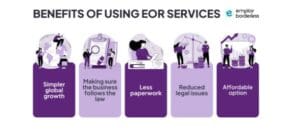
Hiring remote employees across different states or countries creates legal and administrative headaches. Tax compliance, payroll setup, benefits administration, and local labour laws can overwhelm a small business without a dedicated HR team.
An Employer of Record (EOR) handles all of that for you. The EOR becomes the legal employer on paper, managing contracts, payroll, taxes, and compliance in the employee’s location. You keep full control over the person’s daily work, tasks, and management.
Popular EOR providers for small businesses include Deel, Remote.com, and Oyster. An EOR advisory platform like Employ Borderless can help you choose the best one for your needs.
Most EORs charge a flat monthly fee per employee, making budgeting more predictable.
- You handle recruiting, interviewing, and managing employees
- The EOR handles contracts, payroll, taxes, and local compliance
- Your new hire gets paid on time with proper benefits, no matter where they live
If you plan to hire in more than one location, working with an EOR from the start keeps your process clean and scalable as your team grows.
2. Where Should You Find Quality Remote Talent?
The best remote candidates rarely come from one single source. You need to spread your search across multiple channels.
Traditional job boards like Indeed still work, but remote-specific platforms tend to deliver more targeted results. Sites like WeWork Remotely, Remotive, and FlexJobs attract candidates who already understand remote work culture and expectations.
Here’s a comparison of popular platforms for small business remote hiring:
| Platform | Best For | Average Cost | Remote Focus |
| Investing in Women | Flexible, part-time, and remote roles (UK) | £397 + vat/post | High |
| We Work Remotely | Tech and marketing roles | $299/post | 100% remote |
| FlexJobs | Verified professionals | $299-$399/month | High |
| Remotive | Startup and SMB hiring | $298/post | 100% remote |
| Indeed | High-volume roles | Free to $5/day sponsored | Mixed |
| Senior and specialised roles | Free to $1,500+/month | Mixed |
Social media also plays a role. LinkedIn posts from founders and team leads often attract passive candidates who may never browse job boards. Share what your company stands for and what the role looks like day to day.
Don’t overlook referrals from your current team. Referred hires tend to stay longer and ramp up faster because they already have a connection to someone inside your business.
3. Write Job Descriptions That Speak to Remote Workers

A generic job description will attract generic applicants. Remote candidates look for specific details that tell them how your company actually operates.
Include the following in every remote job listing:
- Time zone requirements or flexibility
- Tools and software the team uses daily (Slack, Notion, Zoom, EngageWith, etc.)
- Communication expectations (async-first, weekly syncs, daily standups)
- Salary range or compensation structure
- Home office or equipment stipend, if offered
According to a Glassdoor survey, 76% of job seekers say they skip listings that lack salary transparency. For small businesses competing against larger companies, being upfront about pay builds trust immediately.
Keep the language direct. Describe what the person will do each week, who they’ll report to, and what success looks like after three and six months.
4. Test Real Skills During the Interview Process
Resumes tell you what someone has done before. Skill assessments tell you what they can do right now.
For remote hires, practical tests matter even more. You need people who can work independently, communicate clearly in writing, and manage their time without constant supervision.
Build a short, paid test project into your hiring process. Keep it under two hours and make it mirror actual work the person would do in the role. A content writer could draft a short blog post. A developer could fix a small bug or build a simple feature. A virtual assistant could organize a mock inbox.
Paying candidates for test work shows respect for their time. It also attracts higher-quality applicants who take the opportunity seriously.
During interviews, ask scenario-based questions. “Tell me about a time you missed a deadline while working remotely and how you handled it” reveals more than any hypothetical question ever could.
5. How Do You Evaluate Culture Fit in a Remote Setting?
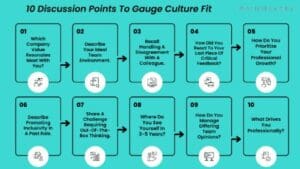
Culture fit matters, but it looks different when your team works from different cities or countries.
The direct answer: you evaluate it through communication style, values alignment, and how someone handles ambiguity.
Remote teams rely heavily on written communication. Pay attention to how candidates write their emails, respond to follow-up questions, and explain their thought process during interviews. These small signals reveal a lot about how they’ll show up on your team every day.
Ask candidates about their ideal work environment, how they handle disagreements over chat, and what kind of management style helps them do their best work.
A few practical ways to assess culture fit remotely:
- Have them meet two or three team members in separate video calls
- Give a short written prompt asking how they’d handle a common team scenario
- Ask about their preferred feedback style and communication cadence
Avoid hiring based on personality alone. Focus on shared values, work ethic, and the ability to collaborate across distance.
6. Set Clear Expectations Before the Contract Is Signed
Many remote hiring failures happen because expectations were never clearly communicated. The offer stage is your last chance to make everything explicit.
Put the following in writing before onboarding begins: working hours, response-time expectations, performance metrics, communication norms, and feedback delivery. An Owl Labs study found that remote employees who receive clearly documented expectations in their first week are 2.3x more likely to stay for more than 12 months.
For small businesses, this step matters even more. You likely have fewer layers of management, which means miscommunication can snowball quickly.
Create a simple one-page document that outlines the role’s key responsibilities, the tools the person needs to set up, and the schedule for their first two weeks. Share it before their start date so they can prepare and ask questions early.
7. Can Onboarding Make or Break Your Remote Hires?
Yes. A strong onboarding process directly affects retention, productivity, and how quickly a new hire becomes a contributing team member.
Remote onboarding requires more structure than in-office onboarding. New hires cannot tap a coworker on the shoulder or absorb company culture by sitting in the same room.
Build a 30-day onboarding plan that includes:
- A welcome call with the founder or team lead on day one
- A buddy system pairing the new hire with a current team member
- Daily check-ins during the first week, then weekly for the rest of the month
- Access to a shared knowledge base with SOPs, FAQs, and recorded walkthroughs
- A clear 30/60/90-day goal framework
A BambooHR report claims employees who experience structured onboarding are 58% more likely to remain with the company after three years. For a small business with limited resources, losing a hire after two months is expensive and disruptive.
Record short Loom videos explaining key processes. Create a Slack channel or shared doc where new hires can ask questions without feeling like they’re interrupting. Small touches like these build confidence and connection from the start.
Wrap Up
Hiring remote employees as a small business owner comes down to preparation and clarity. Define the role before you post it. Search in the right places. Test real skills and set expectations early.
Remote hiring gives small businesses access to talent that was previously out of reach. But only if your process is intentional and well-structured.
Start with one role. Apply these seven tips. Refine your process based on what works. Each hire will get easier, faster, and more effective as you build a system that fits your team and your business goals.